
19 Trendy Raised Garden Bed Layout Ideas for a Productive and Beautiful Garden
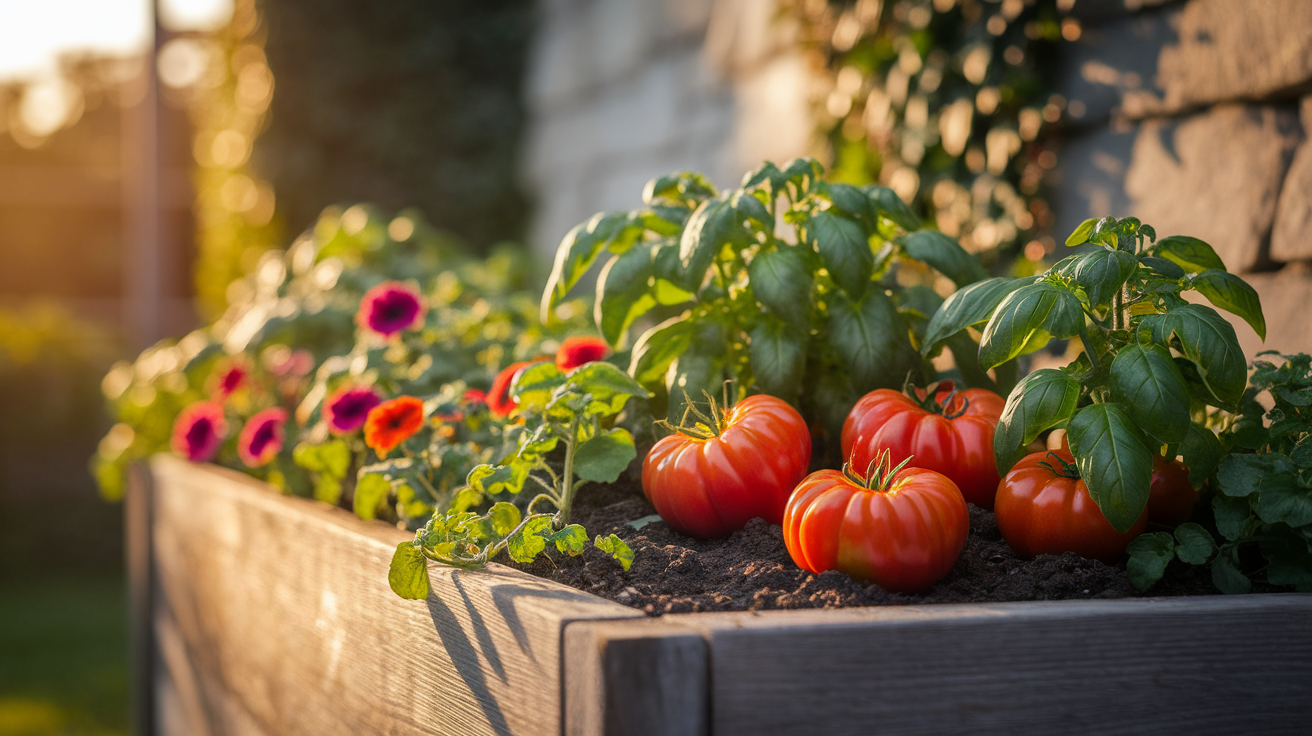
If you’ve ever stood in your backyard staring at an empty patch of soil, wondering how to turn it into a thriving garden, you’re not alone.
I remember the first time I built a raised bed. I thought, “Okay, I’ll just plant a few tomatoes and lettuce and call it a day.”
A month later, I realized my layout made watering awkward, plants were crowding each other, and harvesting felt like a treasure hunt in a jungle.
That experience taught me something important: the layout of a raised garden bed can make or break your garden.
A thoughtful layout improves plant health, productivity, accessibility, and aesthetics.
According to the National Gardening Association, raised bed gardens can yield up to four times more produce per square foot than traditional row gardens when planned correctly.
The reason is simple better soil control, spacing, and efficient use of space.
In this guide, I’m sharing 19 raised garden bed layout ideas that I’ve tested, researched, and seen gardeners swear by.
Think of it like a blueprint for turning your garden into a well-organized, productive oasis.
1. Square Foot Gardening Layout
If you want a layout that makes gardening feel organized and manageable, square foot gardening is a fantastic place to start.
This layout divides your raised bed into 1-foot squares using a grid made from wood, string, or garden twine.
Each square holds a specific number of plants depending on their size. For example:
- 1 tomato plant per square
- 4 lettuce plants per square
- 9 spinach plants per square
- 16 carrots per square
The beauty of this system is efficiency. Instead of guessing plant spacing, you follow a simple grid that maximizes space.
I remember helping a friend redesign her raised beds using this method. Her garden went from chaotic to beautifully organized in a single afternoon. It looked like a checkerboard of vegetables.
Why it works well:
- Maximizes production in small spaces
- Prevents overcrowding
- Makes crop rotation easier
- Perfect for beginner gardeners
This layout is particularly useful if you have a 4×4 raised bed, which is the standard size used in square foot gardening.
2. Row Planting Layout
The row planting layout is one of the most traditional approaches to garden design.
In this layout, plants are arranged in straight rows across the bed. It might sound simple, but simplicity often leads to efficiency.
Rows work especially well for crops like:
- carrots
- beans
- radishes
- onions
- spinach
The biggest advantage is easy maintenance. Watering, fertilizing, and harvesting become straightforward when plants grow in neat lines.
I once tried growing carrots randomly in a bed without rows. Harvesting felt like playing hide-and-seek with vegetables.
Once I switched to rows, everything became easier.
Tips for this layout:
- Keep rows 8–12 inches apart depending on crop size
- Place taller plants toward the back of the bed
- Leave small walking space if beds are large
For gardeners growing lots of root crops, this layout is incredibly practical.
3. Companion Planting Layout
Think of companion planting as matchmaking for plants.
Some plants grow better when paired together because they help each other thrive. A well-designed companion layout can reduce pests, improve soil nutrients, and boost yields.
Some classic combinations include:
- tomatoes + basil
- carrots + onions
- corn + beans + squash (the famous Three Sisters method)
For example, basil planted near tomatoes can repel pests and enhance flavor, while onions can deter carrot flies.
I once planted basil between my tomato plants purely because someone recommended it.
Not only did the garden smell incredible every time I watered it, but my tomato harvest doubled compared to the previous season.
Benefits of this layout:
- Natural pest control
- Improved plant growth
- Better use of space
- Reduced need for chemicals
Companion layouts work best when you research plant relationships before planting.
4. Grid Pattern Layout
A grid pattern layout looks similar to square foot gardening but offers more flexibility.
Instead of strict square spacing, you place plants evenly across the bed in a grid formation.
For example:
- tomatoes spaced every 18 inches
- peppers spaced every 12 inches
- lettuce every 6 inches
The grid ensures each plant has equal access to sunlight, water, and nutrients.
Imagine a garden that looks like a perfectly spaced constellation of plants rather than a tangled forest. That’s what a grid layout creates.
It’s ideal for gardeners who want structure but not strict square measurements.
5. Vertical Growing Layout
If space is limited, vertical gardening transforms your raised bed into a three-dimensional growing system.
Instead of letting plants spread horizontally, you train them upward using:
- trellises
- cages
- arches
- stakes
Crops perfect for vertical layouts include:
- cucumbers
- tomatoes
- peas
- beans
- squash
Vertical gardening can increase yields by up to 70% in small spaces because it uses airspace that would otherwise be wasted.
My cucumbers once took over half a bed like a green octopus spreading everywhere. The next season I added a trellis, and suddenly I had twice the cucumbers with half the mess.
This layout is a must for small backyard gardens or urban spaces.
6. Keyhole Raised Bed Layout
The keyhole garden design is both practical and beautiful.
Imagine a circular raised bed with a small walkway carved into it—like a keyhole shape.
At the center sits a compost basket where organic waste breaks down and feeds the soil.
Benefits include:
- easy access to all plants
- built-in composting
- improved moisture retention
This layout is popular in permaculture gardening and works especially well in dry climates because it retains moisture efficiently.
Gardening in a keyhole bed feels a bit like tending a miniature ecosystem.
7. U-Shaped Raised Bed Layout
If you want maximum accessibility, the U-shaped layout is brilliant.
Instead of a single rectangular bed, three beds are arranged in a U shape with a walkway in the middle.
This allows you to reach every plant without stepping into the bed.
This layout is ideal for:
- large backyard gardens
- gardeners with mobility concerns
- maximizing planting area
The first time I saw this layout at a community garden, I was impressed. The gardener could harvest everything while standing in one spot.
It felt like a vegetable buffet arranged around them.
8. Layered Planting Layout
Layered planting mimics how plants grow in nature.
Instead of planting everything at the same height, you arrange plants by size:
- tall plants in the back
- medium plants in the middle
- short plants in the front
This prevents tall plants from blocking sunlight.
A classic example:
- corn in the back
- peppers in the middle
- lettuce in the front
This layout ensures every plant gets sunlight and creates a visually beautiful garden bed.
9. Spiral Raised Bed Layout
The spiral garden layout adds creativity and functionality to raised beds.
Instead of flat rows, the soil spirals upward into a mound. Different levels create microclimates.
- top of spiral: dry-loving herbs
- middle: moderate moisture plants
- bottom: water-loving plants
This design is popular in herb gardens because herbs have different water needs.
Plus, it looks like a piece of garden art.
10. Mixed Crop Layout
A mixed crop layout involves planting different vegetables randomly but strategically in the same bed.
This approach mimics natural ecosystems and reduces pest outbreaks.
Instead of a bed full of cabbage that attracts cabbage worms, you mix:
- lettuce
- carrots
- herbs
- tomatoes
Pests struggle to locate their favorite plant when it’s hidden among many others.
This layout is sometimes called polyculture gardening.
11. Salad Garden Layout
If you love fresh salads, dedicate a raised bed entirely to salad crops.
Plant quick-growing vegetables like:
- lettuce
- spinach
- arugula
- radishes
- green onions
These crops mature quickly, allowing multiple harvests per season.
A single 4×8 raised bed salad garden can produce over 200 servings of salad greens in one season.
That’s a lot of Caesar salads.
12. Herb Garden Layout
Raised beds are perfect for herb gardens because herbs prefer well-drained soil.
You can arrange herbs by height and growth habits:
- tall herbs like dill and fennel at the back
- bushy herbs like basil and parsley in the middle
- spreading herbs like thyme and oregano at the front
I like to place herbs near pathways so brushing past them releases their fragrance.
Nothing beats the smell of fresh basil on a warm summer evening.
13. Pollinator-Friendly Layout
Pollinators are the unsung heroes of gardening.
According to the Food and Agriculture Organization, 75% of food crops depend on pollinators like bees and butterflies.
To attract them, include flowers in your raised beds such as:
- marigolds
- lavender
- zinnias
- nasturtiums
These flowers boost pollination and add vibrant color.
Plus, marigolds help repel harmful pests.
14. Crop Rotation Layout
Growing the same plant in the same spot every year can deplete soil nutrients.
A crop rotation layout divides the bed into sections for different plant families:
- legumes
- root crops
- leafy greens
- fruiting plants
Each season, you rotate them to a new section.
This practice reduces disease and maintains soil health.
Farmers have used crop rotation for centuries because it works.
15. Children’s Garden Layout
Gardening with kids becomes much more fun when the layout feels playful.
You can design raised beds with shapes or themes like:
- alphabet layouts
- pizza garden (tomatoes, basil, peppers)
- rainbow vegetable beds
Children enjoy gardening more when they can see clear sections dedicated to different plants.
It turns gardening into a living science experiment.
16. Pathway Raised Bed Layout
Sometimes the layout around your beds matters as much as the beds themselves.
A pathway layout organizes raised beds with walking paths between them.
Common spacing:
- 18–24 inches for walking paths
- 30 inches for wheelbarrow access
Paths can be covered with:
- wood chips
- gravel
- stepping stones
This layout keeps soil from getting compacted.
17. Intensive Planting Layout
Intensive planting means growing plants closer together than traditional spacing.
The goal is to create a living mulch where leaves shade the soil.
Benefits include:
- fewer weeds
- improved moisture retention
- higher yields
Research from Biointensive gardening studies suggests this method can produce 2–6 times more food per square foot.
However, it requires fertile soil and careful watering.
18. Seasonal Rotation Layout
Some plants grow best in cool weather, while others thrive in summer.
A seasonal layout divides the bed for spring, summer, and fall crops.
Example:
Spring
- peas
- lettuce
- spinach
Summer
- tomatoes
- peppers
- cucumbers
Fall
- kale
- carrots
- broccoli
Planning this way allows year-round harvests.
19. Decorative Raised Bed Layout
Who says vegetable gardens can’t be beautiful?
A decorative layout combines plants with design elements such as:
- geometric bed shapes
- symmetrical planting patterns
- colorful vegetables
For example, alternating rows of purple cabbage and green lettuce creates striking contrast.
Your garden becomes both a food source and a landscape feature.
I once saw a garden arranged like a quilt pattern with red lettuce and green herbs. It was stunning.
Conclusion
Designing the right raised garden bed layout is like creating a blueprint for a thriving garden. With the right structure, your plants grow healthier, your harvest becomes larger, and gardening becomes far more enjoyable.
Whether you choose square foot gardening, companion planting, vertical layouts, or decorative designs, the key is planning before planting.
Think of your garden like a small ecosystem. Every plant has its place, every inch of soil has purpose, and every harvest becomes a reward for thoughtful design.
And trust me—once you experience the difference a smart layout makes, you’ll never go back to randomly planting seeds again.
FAQs
What is the best size for a raised garden bed?
Most gardeners prefer beds 4 feet wide and 6–8 feet long. This width allows you to reach the center from either side without stepping on the soil.
How deep should a raised garden bed be?
A depth of 10–12 inches works well for most vegetables. Root crops like carrots may benefit from 12–18 inches.
How many plants fit in a raised garden bed?
It depends on spacing. For example, a 4×4 bed using square foot gardening can hold up to 16 lettuce plants or 64 carrots.
What should I put at the bottom of a raised bed?
Common materials include:
- cardboard
- newspaper
- leaves
- straw
These layers improve drainage and suppress weeds.
Do raised beds need drainage holes?
Usually no. Raised beds sit directly on soil, allowing natural drainage. However, beds placed on patios or hard surfaces should include drainage holes.