
20 Garden Borders: Transform Your Garden with Style and Function
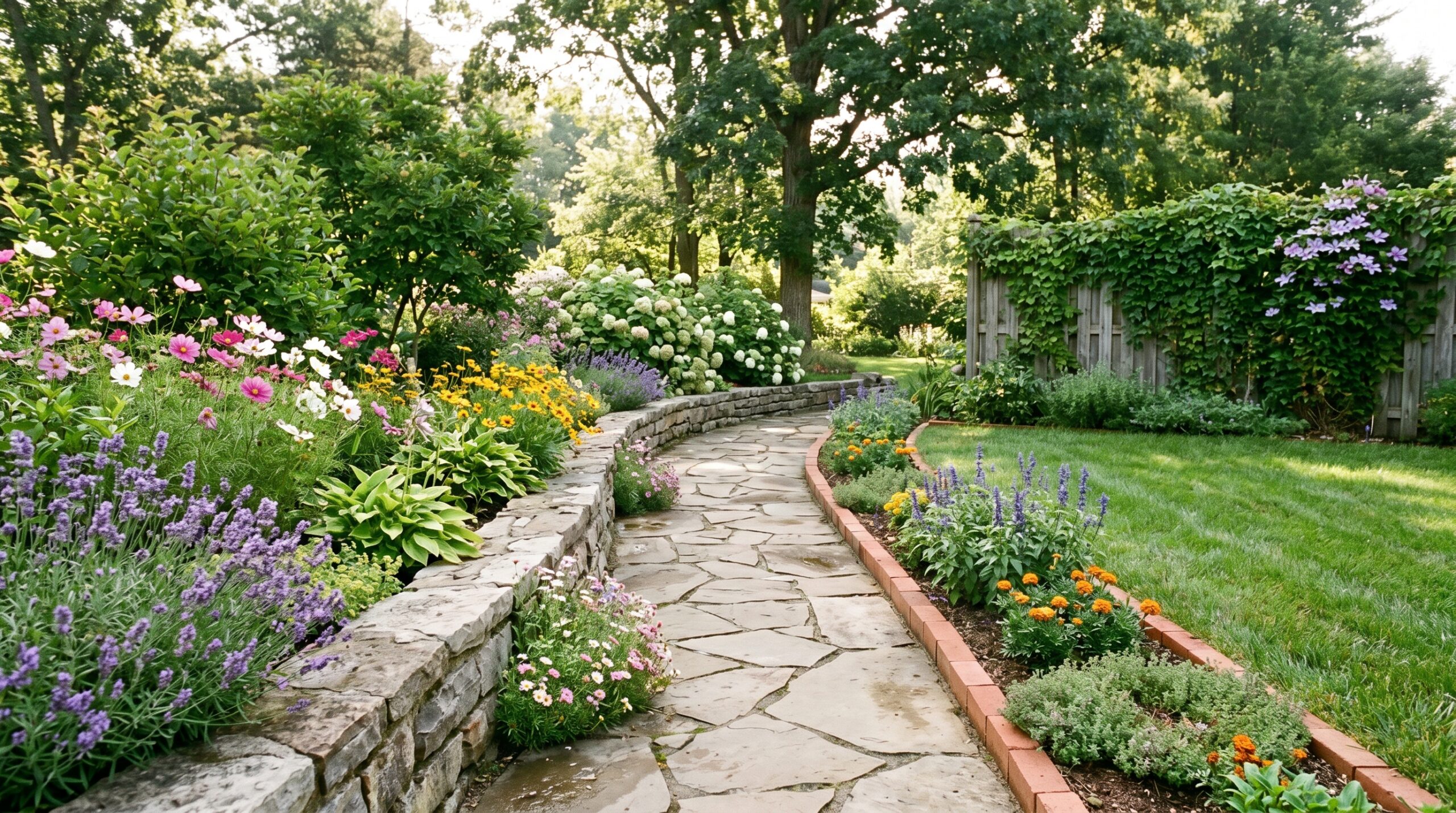
If you’ve ever stared at your garden and felt it was just… a patch of chaos, you’re not alone.
A well-designed garden border can be like the frame around a masterpiece—it defines, protects, and elevates your plants while giving your garden structure.
The good news? There’s no one-size-fits-all solution. From rustic to modern, from simple to elaborate, garden borders are a playground for creativity.
Let’s dive into 20 ways to transform your garden into a cohesive, stunning space.
1. Brick Garden Borders
Bricks are classic, versatile, and give your garden a timeless feel.
Whether you lay them flat for a subtle edge or stack them for a more prominent wall, bricks offer durability and charm.
One of my favorite tricks? Using reclaimed bricks—they’re irregular, textured, and carry a story, which instantly adds personality.
Stats show that brick borders can last 50+ years if properly installed, which is a long-term win for any gardener looking for both beauty and longevity.
A practical tip: angle the bricks slightly toward the garden to help with water runoff and prevent soil erosion.
2. Stone Garden Borders
Stone borders scream natural elegance. Granite, limestone, or fieldstone can define pathways or separate flower beds from lawns.
Stones also provide micro-habitats for insects and small wildlife, which helps your garden’s ecosystem thrive.
Think of stone borders like the jewelry for your garden—they might not be the centerpiece, but they enhance everything around them.
Pro gardeners recommend a 6-8 inch height for stones to create a noticeable yet approachable edge. Personal anecdote:
I once used flat stones along a perennial bed, and watching the morning sun catch the edges was pure magic—it turned an ordinary border into a shimmering highlight.
3. Wooden Garden Borders
Wood is warm, inviting, and perfect for a rustic or cottage-style garden. Cedar and redwood are naturally rot-resistant, which is essential if you want borders that last.
You can cut planks into straight or curved edges, giving your garden a softer, organic shape.
Here’s a secret I swear by: treat the wood with a natural oil every couple of years.
Not only does it prolong life, but it also deepens the color, making the border look like it was kissed by nature.
Wooden borders also provide a perfect backdrop for flowering plants like lavender or daisies.
4. Metal Garden Borders
Metal is sleek, modern, and perfect if you want a contemporary garden.
Steel or aluminum borders are thin but tough, giving sharp lines that contrast beautifully with soft plants.
Corten steel, for example, develops a rusty patina over time that adds character and requires zero maintenance.
Metal borders are great for keeping aggressive grasses or spreading plants in check.
I once installed a metal border around a hosta bed, and it kept everything tidy while adding a subtle industrial vibe—a bold statement without shouting.
5. Concrete Garden Borders
Concrete is practical and highly customizable. You can pour your own borders into molds to create curves, waves, or geometric shapes.
Unlike bricks or stones, concrete allows for continuous edges without gaps, giving a seamless, modern look.
Fun fact: Concrete can be colored with pigments to match or contrast with your garden theme.
Personally, I like using soft gray tones—it blends beautifully with green foliage and bright flowers, giving a neutral canvas that lets plants pop.
6. Gravel Garden Borders
Gravel isn’t just a filler—it’s a stylish border option. It works well for separating pathways, garden beds, and patios.
Light-colored gravel can brighten shady corners, while dark gravel adds depth and contrast.
Stats suggest that properly installed gravel borders can last 10-15 years with minimal maintenance.
My personal trick: lay landscape fabric under the gravel. It prevents weeds and keeps everything neat, which is a lifesaver in busy gardens.
7. Hedge Borders
For a living border that adds both privacy and greenery, consider hedges.
Boxwood, privet, or yew can create formal lines, while lavender or rosemary hedges add fragrance.
Hedges are like the natural walls of your garden—they shape space without being rigid.
Hedges are perfect if you want seasonal changes. For example, flowering hedges bring bursts of color in spring and summer, while evergreen varieties keep your garden visually consistent year-round.
I love trimming my boxwood into playful shapes—it’s therapeutic and surprisingly artistic.
8. Bamboo Garden Borders
Bamboo gives a tropical or zen vibe to your garden.
It grows quickly, is renewable, and can create both vertical and horizontal borders. Keep in mind that some species spread aggressively, so a root barrier is essential.
One personal tip: I once used bamboo borders for a small koi pond area. The tall, swaying stalks added movement and serenity, transforming a dull corner into a calming retreat.
9. Rock and Pebble Borders
Smaller rocks or pebbles are excellent for casual borders.
They’re inexpensive, easy to install, and work beautifully around shrubs, pathways, or water features.
Use contrasting colors to make beds pop or mix sizes for texture.
A fun trick I learned: alternating large rocks with smaller pebbles creates a natural-looking border that feels hand-placed by Mother Nature herself.
10. Living Plant Borders
Why settle for static materials when your border can grow with your garden? Low-growing plants like creeping thyme, sweet alyssum, or sedum can form dense, colorful edges.
Not only do they look amazing, but they also attract pollinators like bees and butterflies.
Stats indicate that gardens with living plant borders can increase biodiversity by up to 30%, which is a win for both your garden and the environment.
I love stepping on thyme borders in spring—it releases that earthy, citrusy aroma. Tiny joys like that make gardening addictive.
11. Brick and Gravel Combo Borders
Mixing materials can add interest.
Brick combined with gravel creates structured yet casual edges, perfect for cottage gardens.
Use bricks to define the main line and fill the space between with gravel to keep weeds at bay.
From experience, this combo works well near patios—it prevents grass from creeping in and creates a visually appealing transition from hardscape to garden beds.
12. Timber Sleeper Borders
Timber sleepers are thick, sturdy, and can double as mini-retaining walls.
Perfect for sloped gardens or raised beds, they bring a bold, rustic charm.
Cedar or oak sleepers are the most durable and can last decades with minimal treatment.
I once installed sleeper borders in my vegetable garden—they held the soil perfectly and gave a dramatic, structured look.
Plus, the raised beds meant less bending over when planting or harvesting—a gardener’s small victory!
13. Terracotta Borders
Terracotta isn’t just for pots—it can make beautiful garden borders. Its warm, earthy tones complement Mediterranean or boho garden styles.
You can arrange small pots in a line, bury half of them, or cut larger tiles into borders.
Fun anecdote: I used terracotta tiles around a rose bed. During rain, they soaked up water and slowly released it, keeping the soil moist.
A practical and pretty bonus.
14. Plastic and Composite Borders
Modern plastic and composite borders are lightweight, weather-resistant, and often look like real wood or stone.
They’re perfect if you want a clean edge without heavy labor. Many come in interlocking strips, making installation almost foolproof.
Pro tip: Choose UV-resistant products—they maintain color and texture longer.
I installed composite borders around a perennial garden and, years later, they still look as crisp as day one.
15. Cobblestone Borders
Cobblestones give a European, old-world charm. Their rounded surfaces and irregular shapes create an organic, storybook feel.
They’re durable, low-maintenance, and perfect for pathways or curved beds.
I like scattering moss in between the stones for a magical, fairy-tale effect.
It adds softness and a sense of age, making your garden feel like it’s been loved for decades.
16. Rope or Twine Borders
For informal or whimsical gardens, natural rope or twine can create low, flexible borders.
Anchor with small stakes or posts and weave around plants. While temporary, they’re great for seasonal beds or garden experiments.
This method is perfect for “playful” areas.
I once outlined a children’s flower patch with thick jute rope—it kept the kids from trampling flowers while looking charmingly rustic.
17. Slate or Tile Borders
Slate or ceramic tiles bring a polished, modern aesthetic. Thin tiles can be laid flat or stacked vertically for a low wall.
Slate works especially well in contemporary or Japanese-inspired gardens, reflecting sunlight beautifully.
Personal tip: Choose darker slate for contrast against green foliage—it makes colors pop like a highlighter on a notebook.
I used slate around an herb garden, and it instantly made the plants look curated and intentional.
18. Railroad Tie Borders
Old railroad ties give an industrial, vintage feel. They’re sturdy, easy to stack, and perfect for raised beds or slope management.
Plus, repurposing old ties is eco-friendly and budget-conscious.
I experimented with railroad tie borders in a wildflower meadow—they kept edges defined while blending naturally into the rustic aesthetic.
Bonus: kids loved climbing over them safely.
19. Permeable Paver Borders
Permeable pavers are eco-friendly and functional. They allow water to seep through, reducing runoff and preventing soil erosion.
Perfect for borders around pathways, patios, or flower beds.
Stats: Studies show permeable surfaces can reduce water runoff by up to 50%, which is a lifesaver in rainy climates.
I installed them around a rain garden, and they worked beautifully, blending utility and aesthetics seamlessly.
20. Mixed Material Borders
Sometimes, the best approach is a mix of materials. Stones, timber, bricks, and plants together can create layered, textured borders.
The key is balance—too much variety, and it looks chaotic; just enough, and it feels curated and intentional.
Personal anecdote: In my backyard, I combined pebbles, wooden sleepers, and creeping thyme.
The result? A multi-sensory border that looks great, smells amazing, and even attracts birds and pollinators.
It’s like giving your garden a personality of its own.
Conclusion
Designing a garden border isn’t just about aesthetics—it’s about structure, function, and enhancing the experience of your garden. Whether you go classic with bricks, elegant with stones, playful with living plants, or bold with mixed materials, each choice can completely transform your space. The key is to match your border style to your garden’s personality and your lifestyle.
Borders don’t just separate—they highlight, protect, and celebrate your plants. Think of them as the unsung heroes of your outdoor space. A well-planned border not only keeps your garden tidy but also creates a visual flow that guides visitors and draws the eye toward your favorite plants.
Experiment, have fun, and remember: a garden border isn’t just an edge—it’s a statement.
FAQs
Q1: How tall should my garden border be?
It depends on purpose. For small flower beds, 4–6 inches is fine. For shrubs or slope control, 12 inches or more works better.
Q2: Can I mix materials in a single border?
Absolutely! Just maintain harmony by sticking to complementary colors, textures, or shapes.
Q3: Are wooden borders durable?
Yes, if you choose rot-resistant wood like cedar or redwood and apply protective oils every few years. Proper installation extends life significantly.
Q4: What’s the best low-maintenance option?
Metal, stone, and composite borders are great for low upkeep. Living plant borders need care but reward you with beauty and biodiversity.
Q5: Can garden borders help with pests?
Indirectly, yes. Raised or defined borders can reduce access for certain pests and make it easier to manage plants.