
21 Vertical Gardening Ideas
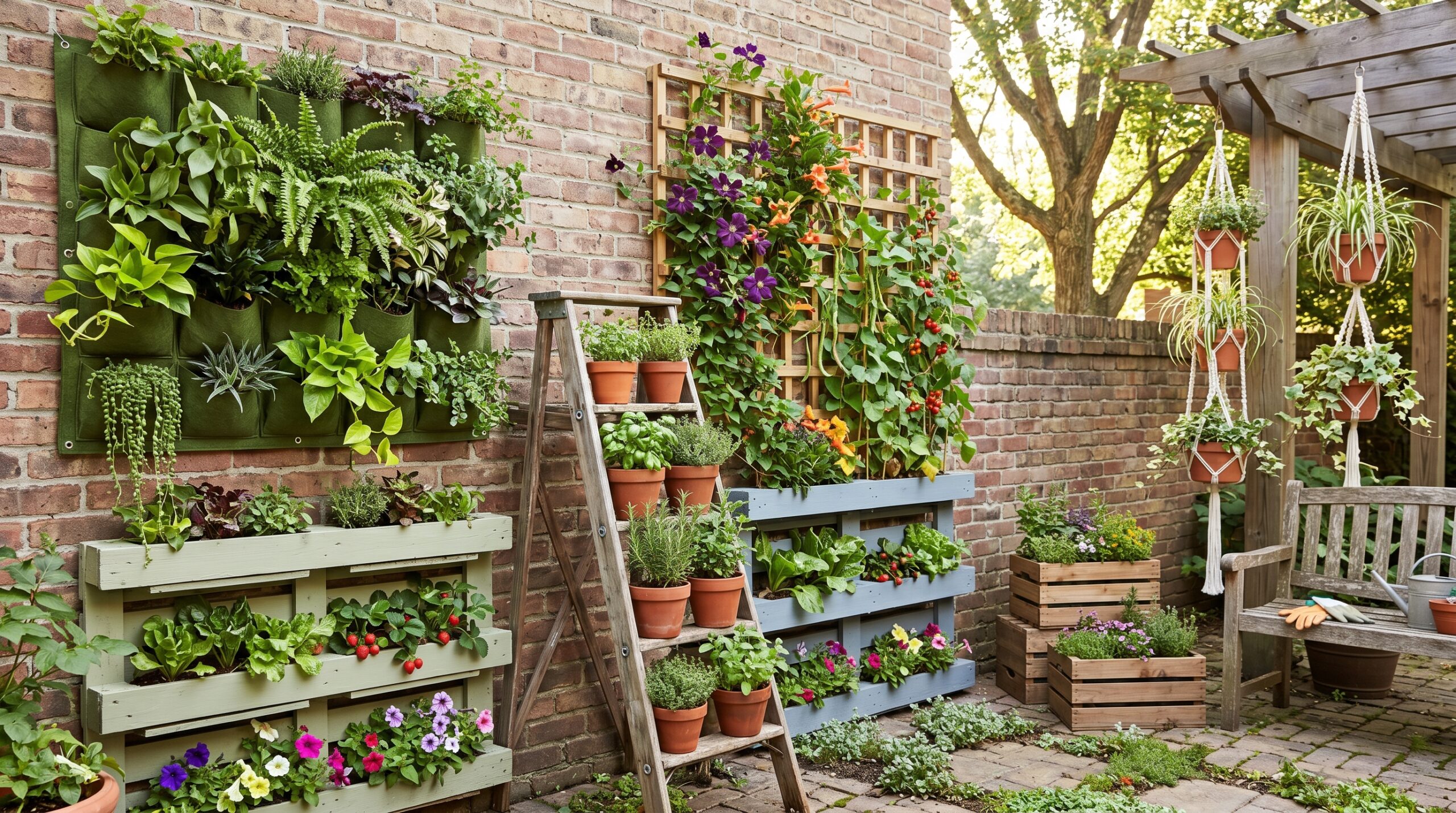
If you’ve ever stared at your backyard or balcony and thought, “I wish I could grow more plants but I don’t have the space,” you’re about to discover the magic of vertical gardening.
Think of it as giving your plants a skyscraper to live in instead of just a patch of dirt.
Vertical gardening isn’t just trendy—it’s practical, eco-friendly, and can completely transform even the tiniest of spaces into a lush green oasis.
Here, I’ll share 21 vertical gardening ideas that I’ve personally tried, tweaked, or admired in other gardens, along with tips, stats, and little secrets that only seasoned gardeners know.
by the end, you’ll have the inspiration and confidence to turn any blank wall, fence, or balcony railing into a vertical paradise.
1. Living Wall Panels
Living wall panels are like the green version of wallpaper. Instead of staring at a blank wall, imagine it draped in thriving greenery.
These panels are perfect for both indoor and outdoor spaces.
Tip: Start with hardy plants like ferns, pothos, and spider plants indoors, and herbs like basil, thyme, and mint outdoors.
Research shows that living walls can reduce indoor temperatures by up to 5°C in summer and improve air quality by absorbing pollutants.
I once installed a small living wall in my kitchen.
Not only did it brighten the space, but I noticed my herbs stayed fresher longer because the vertical setup improved airflow around them.
2. Pallet Gardens
If you’ve ever tossed a wooden pallet into your garage, stop! Pallets are a vertical gardener’s best friend.
Simply secure them against a wall, fill the horizontal slats with soil or pots, and start planting.
Tip: Use pallets for shallow-rooted plants like lettuce, kale, and succulents.
Pallets are eco-friendly and budget-friendly.
According to recent surveys, nearly 60% of small-space gardeners choose pallet gardens for affordability and versatility.
Personally, I love pallet gardens because they are like blank canvases.
I painted mine a cheerful teal before planting, and it instantly became a garden centerpiece.
3. Hanging Pocket Planters
Hanging pocket planters are essentially mini fabric pockets full of soil, and they make any vertical space productive.
Each pocket is a home for a different plant, creating a layered, colorful effect.
Tip: These are ideal for herbs and small flowers. Keep in mind that fabric pockets dry out faster than regular pots, so a drip irrigation system is a lifesaver.
I remember the first time I hung one on my balcony.
Within weeks, it was a riot of green and purple—like my balcony had suddenly grown a vertical rainbow.
4. Ladder Plant Display
Repurpose an old ladder as a vertical garden—it’s rustic, charming, and surprisingly effective. Simply place pots on each step and lean it against a wall.
Tip: Perfect for flowering plants or small potted vegetables.
Add hooks to the sides for even more plant placement.
Statistically, ladder gardens increase usable planting area by 40-60% compared to traditional horizontal setups in small apartments.
I’ve personally done this in my sunroom.
Each morning, watering the plants felt like climbing a tiny green staircase, which added a little joy to my routine.
5. Trellis Gardens
Trellises are a vertical gardener’s classic.
Perfect for climbing plants like tomatoes, cucumbers, and morning glories, they add height and structure.
Tip: Choose sturdy materials like wood or metal. The bigger the trellis, the more room your plants have to grow upwards.
Climbing plants are also excellent for space-saving, since they grow vertically instead of sprawling horizontally.
When I first trained my tomatoes on a trellis, I was amazed at how much more productive the plants were—vertical growth truly gives your garden “breathing room.”
6. PVC Pipe Planters
Don’t underestimate the humble PVC pipe.
Cut holes in a vertical pipe, fill with soil, and you’ve got a sleek, modern vertical garden.
This method is perfect for herbs and microgreens.
Tip: Mount multiple pipes side by side to create a mini vertical forest.
PVC pipe gardens are surprisingly water-efficient, reducing runoff by up to 50%.
I installed a PVC pipe garden in my small balcony and found that my herbs flourished like never before—the pipes acted as tiny green skyscrapers.
7. Vertical Herb Garden in the Kitchen
Who doesn’t want fresh herbs at arm’s reach while cooking? Vertical herb gardens can fit right on your kitchen wall.
Think of it as having your own green spice rack.
Tip: Use small pots or jars mounted on a wall.
Herbs like rosemary, basil, and thyme thrive in vertical setups and will give your meals a flavor boost.
My personal experience: having a vertical herb wall made cooking feel magical. Snipping fresh herbs every day reminded me why gardening is a daily joy.
8. Pocket Wall with Recycled Materials
Transform old jeans, shoes, or tote bags into pocket planters. This approach is quirky, sustainable, and visually appealing.
Tip: Make sure each pocket has proper drainage.
Plants like succulents, ferns, or small flowers do well in DIY recycled pockets.
I once made a pocket wall from old denim.
The blue pockets contrasted beautifully with the green plants—it was like my wall had put on a nature-themed patchwork quilt.
9. Vertical Succulent Garden
Succulents are perfect for vertical gardening because they require minimal soil and water. Use a wooden frame or hanging pocket system.
Tip: Mix textures and colors to create a living mosaic.
Fun fact: vertical succulent gardens are low-maintenance and drought-resistant, perfect for urban gardeners.
I created a small succulent vertical frame, and it became the talking point of my living room—people kept asking how I got my plants to “stick” to the wall like magic.
10. Pallet Herb Tower
Take your pallet game up a notch: create a herb tower with multiple layers of pallet slats stacked vertically.
Each level can host a different herb.
Tip: Ensure the structure is stable and slightly tilted backward to prevent toppling.
Herbs in vertical layers get better sunlight distribution, boosting growth by up to 35% compared to horizontal beds.
I tried this with mint, oregano, and chives, and the harvest was bountiful enough to share with friends.
Vertical really does mean more garden, less space.
11. Green Wall Shelves
Combine practicality and aesthetics by turning simple shelves into vertical gardens. Place pots of various heights and textures, creating a layered look.
Tip: Ideal for indoor plants like pothos, ivy, or peace lilies.
Use lightweight pots and waterproof trays to protect your walls.
I have a green wall shelf in my study.
Each time I glance at it, it feels like nature is peeking in, motivating me to work while calming my mind.
12. Rain Gutter Gardens
Recycle old rain gutters by mounting them on a wall or fence horizontally at different levels.
Perfect for lettuce, spinach, or strawberries.
Tip: Angle gutters slightly for water drainage. This method maximizes planting space without taking up any floor area.
Vertical rain gutter gardens can increase yield per square foot by 50-70% in small urban spaces.
I tried this on my balcony railing. It was surprisingly easy to maintain, and my strawberries flourished, spilling red sweetness over the edges.
13. Hanging Mason Jars
Turn mason jars into cute vertical planters.
Attach them to wooden boards or metal grids. Perfect for small herbs or flowers.
Tip: Ensure jars have drainage by adding pebbles at the bottom.
They double as decor, so placement is key—eye-level works best.
I have three mason jars hanging near my kitchen window.
Every morning, I water them and watch the sunlight glint through the glass—it feels like liquid gold feeding my plants.
14. Trellis Ladder Combo
Combine a ladder with a trellis for maximum vertical effect.
The ladder provides tiers for pots, while the trellis allows climbing plants to weave through.
Tip: This combo works well outdoors for vegetables or flowering vines.
It’s also modular—move or expand it as needed.
My neighbor tried this with morning glories and tomatoes.
By summer, it looked like a miniature jungle, blending structure and wildness beautifully.
15. Wall-Mounted Planter Boxes
Install small boxes directly onto walls. Each box is a mini garden that can host herbs, flowers, or veggies.
Tip: Space boxes at intervals to prevent crowding. This method is great for creating a patterned green wall.
I installed five boxes on my balcony wall.
Watching them grow over weeks was like seeing a green mural come to life—so satisfying and surprisingly artistic.
16. PVC Ladder Garden
Combine PVC pipes and a ladder frame for a lightweight vertical garden structure. Each rung can hold pipe sections with plants.
Tip: Perfect for hydroponics or small herbs. Lightweight and durable, it can survive outdoor conditions easily.
I built one for my balcony using leftover PVC and an old ladder.
It became my go-to for microgreens—fresh salad every week, right at my fingertips.
17. Hanging Baskets in Layers
Hang baskets at different heights to create a cascading vertical garden. Ideal for flowers or trailing plants like ivy.
Tip: Use sturdy chains and ceiling hooks.
Grouping baskets in odd numbers makes them look visually balanced.
My first layered basket setup was like a green waterfall on my porch.
Each layer got sunlight, and the cascading flowers added a splash of color to the gray cement wall.
18. Shoe Organizer Garden
Repurpose a hanging shoe organizer as a pocketed vertical planter.
Each compartment is a home for a plant.
Tip: Great for indoor herbs or succulents. Ensure pockets are lined with drainage material.
I tried this with tiny succulents.
It was inexpensive and functional, and I loved telling guests, “Don’t look down, my shoes are growing herbs!”
19. Ladder Shelf Hydroponic Garden
For those who want soil-free gardening, combine a ladder shelf with hydroponics. Place containers on each step and feed them nutrient water.
Tip: Perfect for lettuce, kale, and herbs. Hydroponics in vertical setups uses 70% less water than traditional gardening.
I experimented with hydroponic vertical gardening last winter.
The lettuce grew faster than I expected, and I didn’t have to deal with messy soil—an urban gardener’s dream.
20. Fence Pocket Garden
Turn your fence into a productive garden by hanging pots or pocket planters. Great for urban balconies or patios.
Tip: Use a mix of flowering plants and herbs to balance beauty and function.
Stagger heights for a visually appealing pattern.
I did this with my backyard fence.
Not only did it improve privacy, but friends always commented how my fence “blossomed into a vertical Eden.”
21. DIY Bottle Vertical Garden
Recycle plastic bottles to create a vertical garden.
Cut, fill with soil, and hang them using strings or wooden frames.
Tip: Ideal for small vegetables, herbs, or succulents.
Each bottle acts like a mini greenhouse for your plants.
I started my first vertical garden this way.
Watching tomato seedlings peek out of recycled bottles gave me an almost childlike sense of wonder. It was sustainable, effective, and surprisingly adorable.
Conclusion
Vertical gardening is more than a trend; it’s a space-saving revolution that transforms walls, fences, and balconies into thriving green habitats.
From pallet gardens to DIY bottle gardens, each idea gives you a unique way to grow, display, and enjoy your plants.
The key takeaway? Don’t be afraid to mix and match.
Combine pallets with trellises, or mason jars with shelves.
Vertical gardening is as much about creativity as it is about productivity.
Start small, pick a method that suits your space and lifestyle, and soon you’ll have a vertical garden that’s not only functional but a green masterpiece.
FAQs About Vertical Gardening
Q1: Which plants work best for vertical gardens?
Herbs, succulents, small vegetables (like lettuce and cherry tomatoes), flowering vines, and air-purifying indoor plants thrive in vertical setups.
Q2: Do vertical gardens require more maintenance?
Some types require more frequent watering, especially pocket and hanging planters, but drip irrigation or self-watering systems can reduce effort.
Q3: Can vertical gardens survive in small spaces?
Absolutely.
Vertical gardening is perfect for apartments, balconies, or small yards. Studies show it can increase usable planting area by over 60%.
Q4: Are vertical gardens cost-effective?
Yes. Using recycled materials like pallets, bottles, and shoe organizers keeps costs low while promoting sustainability.
Q5: Can vertical gardens improve indoor air quality?
Yes. Plants in vertical gardens filter pollutants, increase humidity, and even reduce indoor noise, improving your living environment.