
23 Cut Flower Garden Ideas That Will Transform Your Yard Into a Blooming Masterpiece
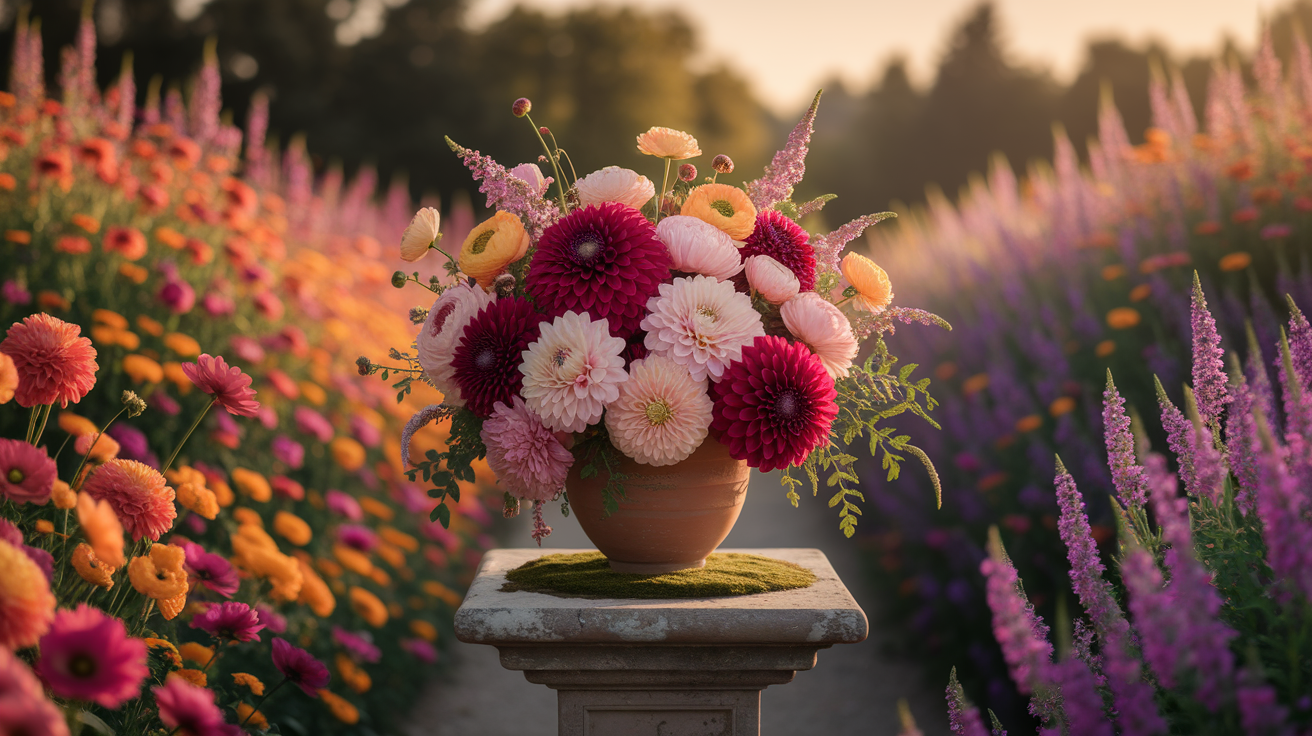
I’m not going to waste your time. If you want a cut flower garden that produces abundant blooms from spring through fall, you’re in the right place.
This article goes far beyond pretty pictures.
You’ll get practical design tips, plant combos that actually work, scheduling advice to prolong blooms, harvest techniques that increase yield, and secrets gardeners rarely share.
If you’ve ever felt frustrated because your flowers looked great in the garden but wilted in the vase, or if your bouquets were sparse despite heavy planting, this guide is written for you — like a seasoned gardener whispering in your ear.
What Is a Cut Flower Garden?
A cut flower garden is a dedicated space designed to grow flowers specifically for cutting and arranging.
Unlike ornamental flower beds meant purely for visual impact, a cut flower garden balances beauty in the landscape with productivity in the vase.
Think of it like an orchard compared to a wild forest.
An orchard is designed to yield fruit with ease; a cut flower garden is designed to give you steady stems, abundant blooms, and long-lasting flowers for arrangements.
Here’s why this matters:
- Different planting density: Flowers are spaced for stem production, not just surface appeal.
- Extended bloom planning: Plant choices are arranged so something is always in bloom.
- Easy access harvesting: Pathways and plant heights are intentionally planned for picking comfort.
If you want table-filling bouquets all season long without overworking your garden, this approach matters.
Why Plant a Cut Flower Garden? (Stats & Real Benefits)
Before we dive into ideas, let’s talk benefits — not fluff, but real outcomes you’ll enjoy:
Cost savings: According to national estimates, the average household spends over $650 per year on cut flowers. A well-planned cut flower garden can cut that bill by 80–90%.
Year-round joy: With proper planning, you can have fresh blooms for 9–10 months of the year.
Therapeutic value: Gardening reduces stress and increases feelings of well-being — multiple studies show gardeners have lower cortisol levels and higher life satisfaction.
Pollinator support: Many cut flowers double as pollinator magnets, boosting your entire ecosystem.
When you invest in a cut flower bed, you’re investing in daily bouquets, monthly savings, and a more vibrant yard ecosystem.
1. Design with Purpose: Know Your Garden Zones and Seasons
Before planting a single seed, understand your hardiness zone and frost dates. This is the foundation of success.
In cold zones, plan for hardy annuals and bulbs that come back. In warmer zones, you can grow tropicals and tender perennials.
Don’t just plant willy-nilly. Think in sequences:
- Early spring bloomers: Tulips, daffodils, ranunculus.
- Late spring to early summer: Snapdragons, sweet peas, delphinium.
- Mid summer: Zinnias, cosmos, sunflowers.
- Fall: Asters, mums, sedum.
Create a bloom calendar before you plant — it’s like charting the seasons of your own flower harvest.
2. The Importance of Soil Health
If you don’t give your plants a strong foundation, you’ll fight pests, weak stems, and short-lived blooms all season long.
Before planting:
- Test your soil pH. Most flowers prefer 6.0–7.0.
- Add compost. Aim for at least 3–4 inches tilled into soil.
- Improve drainage if needed. Flowers like moist but not soggy roots.
Good soil is the difference between stems that break in your hand and stems that stand tall and proud in a vase.
3. Sweet Peas: Floral Elegance With Scent
Plant these at the start of cool weather. They are not just pretty — they fill the air with fragrance.
- Tip: Provide support trellis early. These vines climb fast.
- Secret: Pinch tops when young to force fuller growth.
You’ll get bouquets that smell like a garden fairy walked through your yard.
4. Sunflowers: Bold and Beautiful Statements
Sunflowers are the poster child of cut flower gardens — hardy, showy, and fantastic in arrangements.
- Plant in blocks, not rows: You want a sea of blooms.
- Vary heights: Mix dwarf varieties with giant ones (up to 10 feet).
- Pro tip: Harvest before the back of the flower turns yellow — they hold longest in water.
They’re the fireworks of summer bloomers.
5. Cosmos: Effortless Abundance
This is the “set it and forget it” beauty of cut flower gardens.
- Scatter seeds directly.
- They self-sow easily, giving blooms from summer into frost.
- Soft, airy texture complements bold blooms like zinnias or dahlias.
This is the flower that whispers “carefree garden summer.”
6. Zinnias: Workhorse of the Bouquet World
Zinnias are the backbone of summer bouquets — long stems, nonstop flowers, and colors for days.
- Plant in full sun; heat makes them shine.
- Deadhead regularly to keep blooms coming.
- Mix sizes from 6” to over 3’ tall.
They’re reliable like a good friend who always shows up.
7. Dahlias: Dramatic and Diverse
If your garden could have a diva, dahlias would be it — abundant flowers in an astonishing variety of shapes, sizes, and colors.
- Start tubers in spring after frost.
- Stake tall varieties early.
- Cut in the morning when flowers are most hydrated.
These are the bouquets people remember.
8. Snapdragons: Vertical Drama
Snapdragons give your arrangements vertical structure and come in many soft to vibrant shades.
- Plant early when soil cools.
- They tolerate light frost — a huge bonus.
- Deadhead frequently.
Imagine bouquets with upward movement — that’s snapdragon magic.
9. Larkspur: Cool-Weather Towering Blooms
Larkspur brings old-world charm and sky-high spikes to cutting gardens.
- Prefers cool weather; best fall planting in hot climates.
- Tall and elegant, perfect for dramatic arrangements.
- Requires staking in windy sites.
Like fireworks that reach for the sky.
10. Statice: Long-Lasting and Fabulous Dried
Statice blooms are perfect fresh and hold color when dried.
- Plant in well-drained soil.
- Don’t overwater — they dislike soggy roots.
- Harvest when 1/2 open.
A favorite for everlasting bouquets.
11. Larkspur vs. Delphinium: Choose Your Tower
They look similar but have different needs.
- Delphinium: Prefers cool summers; tall and stately.
- Larkspur: More tolerant of beginners; self-seeds.
Plant whichever fits your microclimate — both add height and romance.
12. Gladiolus: Swordlike Stems for Structure
These are the backbone of classic bouquets — tall, dramatic, and reliable.
- Plant corms at intervals for extended bloom times.
- Harvest when lower florets open.
They’re sturdy and give instant vertical interest.
13. Sweet William: Old-World Charm
Early summer comes alive with sweet william’s clusters of vibrant flowers.
- Perfect for cottage garden vibes.
- Looks great mixed with larkspur, cosmos, or snapdragons.
You’ll feel like you stepped back to a garden in an English village.
14. Coreopsis: Sunshine in Every Stem
Coreopsis is like bottled sunshine — bright yellow blooms that last.
- Tolerant of heat and drought.
- Deadhead to keep blooms abundant.
- Great for informal garden beds.
This is the flower that laughs in the face of heat waves.
15. Scabiosa: The Pincushion Flower
Delicate, intricate blooms that add texture and charm.
- Available in soft pastels to deep shades.
- Deadhead frequently.
- They self-seed for next year.
These are classic cottage garden favorites.
16. Calendula: Medicinal Beauty
Calendula doesn’t just look great — petals can be used in herbal salves and teas.
- Sow early in cool soil.
- Deadhead for constant blooms.
- Edible petals add color to salads and bouquets.
It’s beauty and utility in one plant.
17. Bachelor’s Buttons: Old-Fashioned and Resilient
These hardy little blooms are tough and charming.
- Sow seeds directly.
- They tolerate light frost and drought.
- Excellent filler flower.
Simple, reliable, and charming — like a familiar song.
18. Yarrow: Filler and Evergreen Form
Yarrow’s flat clusters add a designer touch to bouquets.
- Extremely drought tolerant.
- Cut regularly to prevent legginess.
- Comes in multiple colors.
Great when you need structure without weight.
19. Bells of Ireland: Architectural and Unique
These are conversation-starters — tall, bright green spires that elevate any bouquet.
- Prefers cool weather.
- Start seeds early indoors.
Like architectural spires for your bouquets.
20. Sweet Alyssum: Fragrant Groundcover for Cut Gardens
This low, fragrant flower is ideal as border edging.
- Sweet sandalwood scent.
- Attracts beneficial insects.
- Bridges gaps between taller flowers.
It’s the friendly ground-hugger of your garden.
21. Strawflowers: Dried-Bloom Wonders
If you love dried arrangements, strawflowers are your secret weapon.
- Harvest when petals are fully open.
- Hang upside down to dry.
These hang tough through winter centers and wreaths.
22. Nigella (Love-in-a-Mist): Ethereal and Textured
These whimsical, lacy flowers add a dreamlike quality to bouquets.
- Easy direct seeding.
- Unique seedpods add interest in dried bouquets.
Ethereal and delicate — like whispers in your garden.
23. Dahlias Revisited: Plan for Succession Blooms
You already know dahlias are show-stoppers, but here’s the secret most gardeners miss:
Plan for succession. Plant some tubers early and some a few weeks later. You prolong peak production.
Planning Your Garden Layout: From Chaos to Cohesion
Don’t plant in straight rows unless you want predictable but uninspired beds. Instead:
- Cluster by height: Tall at the back, mid-height in the middle, low at the front.
- Group by color palettes: Harmonious color gangs create visual impact.
- Build paths: Even a simple gravel or mulch path lets you harvest without crushing plants.
Imagine your garden like a symphony. Every section should play its part, but the whole performance must be cohesive.
Companion Planting for Cut Flowers
Pollinators mean more blooms. Add herbs and plants that attract bees and beneficial insects:
- Lavender
- Basil
- Borage
- Sunflowers as bee magnets
Avoid heavy feeders next to low feeders. Keep hungry eaters like zinnias near compost-rich beds and lighter feeders like cosmos in leaner soils.
Watering Wisdom: Not Too Much, Not Too Little
Flowers that are watered right are stronger and yield more stems. General tips:
- Water early in the morning.
- Deep, infrequent waterings encourage strong roots.
- Avoid overhead watering during heat peaks to reduce disease.
Think hydration like coffee — a strong morning cup followed by moderate sips, not constant trickles.
Staking and Support Without Eyesores
Tall stems flop, especially after rain. Avoid cheap string — it cuts stems.
Use:
- Bamboo stakes
- Tomato cages
- Mesh grid supports
Place them early so plants grow into supports, not wrestle them later.
Harvesting Techniques That Increase Production
The way you cut stems affects future blooms:
- Use clean, sharp snips — dull tools tear stems.
- Cut in the morning when stems are hydrated.
- Leave at least two sets of leaves on the plant to encourage regrowth.
Harvesting is like trimming your own hair — the right cut makes everything grow better.
Preserving and Drying Flowers for Year-Round Beauty
Not every bloom fits a fresh bouquet. For long-term beauty:
- Hang upside down in dark, dry places.
- Use silica gel for delicate blooms like strawflowers.
- Preserve colors with mild glycerin solutions.
Drying flower stems is like tucking summer into winter.
Vase Prep Secrets: Make Blooms Last Longer
Fresh flowers are fragile; treat them right:
- Use warm water for woody stems, cool for delicate ones.
- Add floral food or a homemade mix (sugar + bleach + lemon juice).
- Recut stems every 2–3 days.
A vase isn’t just a container — it’s an environment you manage.
Troubleshooting Common Problems
Leggy plants: Too much shade, too little pinching.
Short stems: Crowding. Space plants a bit wider.
Poor blooms: Phosphorus deficiency — add bone meal or flowering fertilizer.
Pests: Hand-pick, use neem oil, or encourage ladybugs.
Problems aren’t failures — they’re data telling you what needs adjusting.
Seasonal Maintenance: Keep Blooms Coming
Spring: Clean beds, test soil, start seeds.
Summer: Water deeply, deadhead, harvest.
Fall: Collect seeds, dig tubers in cold zones.
Winter: Plan next year’s layout with a notebook.
Gardeners who succeed aren’t luckier — they tune into rhythms.
Real Gardener Wisdom: You Don’t Need Perfection
I’ve killed dozens of plants. Some seasons fail. But every failure taught me one thing: plants talk. They tell you what they need if you watch closely.
A cut flower garden isn’t about perfection — it’s about conversation.
Wrap-Up: Your Garden, Your Creative Adventure
This list of 23 cut flower garden ideas isn’t a checklist — it’s a toolbox.
You have the plants, the planning strategies, the harvest secrets, and the maintenance wisdom.
Now the real magic begins —
Go choose your soil, pick your palette, plant with intention, and grow beauty you can hold in your hands.