
25 Cottage Garden Ideas
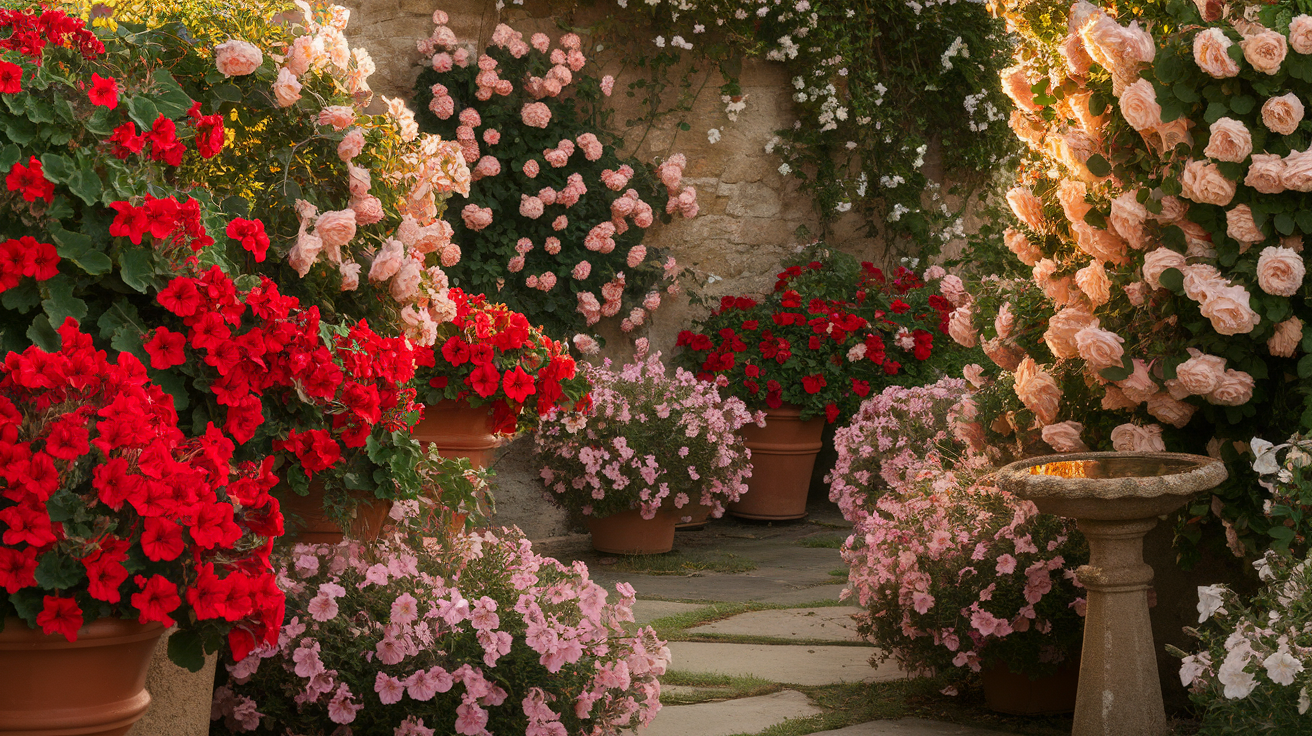
A cottage garden has a special kind of magic.
It’s not stiff or perfectly symmetrical like formal landscaping.
Instead, it’s wild in the most charming way—flowers spilling over paths, herbs brushing your hands as you walk by, bees humming like tiny gardeners doing their own work.
If you’ve ever admired those dreamy gardens that look straight out of an English countryside postcard, you’re not alone.
The beauty of a cottage-style garden is that it’s achievable almost anywhere—even in a modest backyard.
With the right mix of flowers, textures, and thoughtful chaos, you can create a garden that feels alive.
I’ve spent years experimenting with different plants and layouts in my own yard, and one thing I’ve learned is this: the best cottage gardens don’t follow strict rules.
They follow feelings. Still, there are proven ideas that can help you create that lush, romantic atmosphere faster.
Below are 25 cottage garden ideas that will help you design a charming, colorful, and welcoming outdoor space.
1. Layer Flowers for a Full, Lush Look
One of the defining characteristics of a cottage garden design is abundance.
When I first started gardening, I planted everything with too much space between plants. The result looked neat—but also empty.
Cottage gardens work differently. They rely on layered planting.
This means arranging plants in three levels:
- Tall plants in the back (foxgloves, hollyhocks, delphiniums)
- Mid-height flowers in the center (roses, daisies, coneflowers)
- Low growers at the front (thyme, alyssum, creeping phlox)
According to the Royal Horticultural Society, layered planting can increase garden biodiversity by up to 30%, because it creates multiple habitats for insects and pollinators.
When plants overlap slightly, the garden looks natural—almost like nature planted it herself.
2. Grow Climbing Roses on Arches
Nothing says romantic cottage garden like climbing roses. If there’s one plant that instantly transforms a garden, it’s a rose vine climbing over an archway.
Picture this: you walk through your garden and pass under a tunnel of blooms.
It feels like entering a secret garden.
Good climbing rose varieties include:
- New Dawn
- Zephirine Drouhin
- Eden Rose
Install a simple garden arch or trellis, then let the roses climb freely. With proper care, these roses can grow 10–15 feet tall, creating breathtaking vertical interest.
3. Add Winding Garden Paths
A straight path feels formal. A winding path, however, feels like a discovery.
Cottage gardens thrive on curiosity. When a path curves gently through flower beds, it encourages exploration.
Materials that work beautifully include:
- Gravel
- Brick
- Flagstone
- Stepping stones
In my own garden, I laid a simple gravel path. Within weeks, plants like lavender and creeping thyme began spilling over the edges, softening the path naturally.
Now it feels less like a walkway and more like a trail through a storybook garden.
4. Mix Vegetables with Flowers
One of the most charming traditions of English cottage gardens is mixing food plants with flowers.
Historically, cottage gardeners grew everything together because they needed both beauty and food.
And surprisingly, it works wonderfully.
Try combining:
- Tomatoes with marigolds
- Kale with ornamental cabbage
- Carrots with lavender
- Herbs among roses
Research from Cornell University shows companion planting can reduce pests by up to 40% in some gardens.
So you get beauty and productivity in the same space.
5. Plant Classic Cottage Flowers
Some flowers instantly create that cottage look.
These plants have been garden favorites for centuries:
- Foxgloves
- Hollyhocks
- Sweet peas
- Delphiniums
- Lavender
- Peonies
- Daisies
These flowers bring height, fragrance, and color.
If you want a quick shortcut to a cottage flower garden, start with these classics.
6. Let Plants Self-Seed Naturally
A perfect cottage garden doesn’t look perfectly planned.
One trick experienced gardeners use is allowing certain plants to self-seed.
Flowers like:
- Calendula
- Cosmos
- Nigella
- Poppies
drop seeds that grow again the following season.
The result?
Your garden evolves naturally every year, just like a wild meadow.
7. Install a Rustic Wooden Fence
A weathered wooden fence is the frame around the cottage garden picture.
It creates a boundary while adding character.
White picket fences are classic, but natural wood works beautifully too.
Besides aesthetics, fences serve practical purposes:
- Protect plants from animals
- Support climbing vines
- Define garden space
Sometimes the simplest structures create the strongest atmosphere.
8. Create Cozy Garden Seating
A cottage garden invites you to linger.
Add a small bench, vintage chair, or wooden swing among the flowers.
Place seating where you can enjoy the view.
Personally, my favorite spot is a bench under a climbing rose. Sitting there with morning coffee while bees buzz around lavender feels like a small luxury.
According to a National Gardening Association survey, gardeners who spend time relaxing in their gardens report higher life satisfaction and reduced stress levels.
Your garden should be enjoyed—not just admired.
9. Grow Fragrant Plants Everywhere
Fragrance is an underrated garden feature.
When you brush past plants like lavender, rosemary, or jasmine, the scent lingers in the air.
Essential fragrant plants for cottage gardens include:
- Lavender
- Honeysuckle
- Roses
- Sweet peas
- Garden phlox
Studies suggest pleasant plant aromas can lower stress hormones by nearly 25%.
So a fragrant garden isn’t just pretty—it’s therapeutic.
10. Use Vintage Garden Decor
Cottage gardens embrace charm and personality.
Old objects can become delightful garden decorations.
Examples include:
- Antique watering cans
- Old ladders as plant stands
- Vintage wheelbarrows filled with flowers
- Rustic birdhouses
I once planted petunias inside an old metal bucket I found at a flea market. It rusted over time, but the flowers looked even more beautiful against that weathered metal.
Imperfection is part of the charm.
11. Create a Flower-Filled Entryway
Your garden entrance sets the tone.
Frame the entry with flowers that spill toward the path.
Good choices include:
- Lavender borders
- Climbing roses
- Tall hollyhocks
This creates a welcoming moment the second someone steps into your garden.
Think of it as your garden’s handshake.
12. Add a Small Water Feature
Water instantly brings life to a garden.
Birds arrive. Bees gather. The air feels cooler.
Even a small fountain or birdbath can transform the atmosphere.
According to wildlife experts, birdbaths can increase bird visits by over 50%, helping pollinate nearby plants.
And let’s be honest—the sound of trickling water makes the garden feel peaceful.
13. Build Raised Flower Beds
Raised beds help organize a naturally chaotic cottage garden.
They’re especially helpful if your soil quality isn’t ideal.
Benefits include:
- Better drainage
- Easier weed control
- Improved plant growth
Studies show raised beds can boost plant yields by 20–30% due to improved soil conditions.
Plus, they add beautiful structure to a free-flowing garden.
14. Encourage Pollinators
A true cottage garden ecosystem supports bees, butterflies, and birds.
Plant pollinator-friendly flowers like:
- Coneflowers
- Bee balm
- Milkweed
- Sunflowers
- Zinnias
Without pollinators, nearly 75% of flowering plants struggle to reproduce.
So by planting these flowers, you’re helping the environment too.
15. Add Herbs Between Flowers
Herbs are a cottage garden secret.
Not only are they useful in the kitchen, but many herbs also repel pests.
Great options include:
- Thyme
- Sage
- Oregano
- Basil
- Mint
Herbs add texture, fragrance, and practicality all at once.
16. Grow Tall Statement Plants
Height adds drama.
Plants like hollyhocks, sunflowers, and delphiniums act like garden towers.
These vertical plants guide the eye upward and make the garden feel fuller.
Hollyhocks, for example, can grow over 8 feet tall, creating a colorful backdrop.
17. Install Trellises for Vertical Gardening
Vertical space is often overlooked.
Adding trellises allows plants to grow upward instead of outward.
Great climbing plants include:
- Clematis
- Sweet peas
- Climbing roses
- Morning glories
Vertical gardening also increases plant density without overcrowding the ground.
18. Plant in Colorful Clusters
Instead of spacing individual plants, group them in clusters.
This creates bold color bursts.
For example:
- A patch of purple lavender
- A cluster of pink peonies
- A section of yellow coreopsis
Large color groups look more impactful than scattered flowers.
19. Use Natural Stone Edging
Stone edging brings subtle structure.
It defines garden beds while maintaining a rustic look.
Natural materials like:
- River stones
- Fieldstones
- Slate
blend seamlessly with plants.
20. Grow Wildflowers
Wildflowers add spontaneity.
They grow easily, attract pollinators, and require little maintenance.
Popular cottage wildflowers include:
- Cornflowers
- Poppies
- Black-eyed Susans
- Cosmos
A small wildflower patch can produce hundreds of blooms from just a handful of seeds.
21. Add Garden Arbors
Arbors create architectural beauty.
Covered with vines, they become natural garden gateways.
Good climbing plants include:
- Wisteria
- Clematis
- Roses
Walking through a vine-covered arbor feels like entering another world.
22. Plant Seasonal Blooms
To keep your garden lively year-round, plant flowers that bloom in different seasons.
Example schedule:
Spring:
- Tulips
- Daffodils
Summer:
- Roses
- Lavender
Fall:
- Asters
- Chrysanthemums
A well-planned garden can stay colorful for 8–10 months of the year.
23. Include Berry Bushes
Berry bushes add both beauty and food.
Good options include:
- Blueberries
- Raspberries
- Gooseberries
They blend naturally into cottage gardens and attract wildlife.
Plus, picking fresh berries from your garden is incredibly satisfying.
24. Let Plants Spill Over Edges
Cottage gardens reject strict boundaries.
Allow plants to spill over paths, containers, and fences.
Trailing plants like:
- Lobelia
- Creeping thyme
- Nasturtiums
soften edges and make the garden feel abundant.
25. Embrace Imperfection
This may be the most important idea.
A cottage garden is not meant to look perfect.
Leaves will overlap. Flowers will lean. Some plants will grow where you didn’t expect them.
And that’s the magic.
Perfection is stiff. Cottage gardens are alive.
Conclusion
Creating a cottage garden isn’t about following strict design rules—it’s about building a space that feels warm, natural, and joyful.
By combining layered planting, climbing flowers, winding paths, fragrant herbs, and pollinator-friendly plants, you can transform even a small yard into a charming escape.
The real secret?
Let your garden grow with a little freedom. When flowers spill over paths and bees buzz lazily through the air, you’ll realize something beautiful:
Your garden doesn’t just look alive.
It is alive.
FAQs
What plants are best for a cottage garden?
Classic cottage garden plants include roses, foxgloves, lavender, peonies, hollyhocks, daisies, and delphiniums. These plants provide height, color, and fragrance.
How do you start a cottage garden?
Begin by planting a mix of perennials, annual flowers, herbs, and vegetables together. Add paths, trellises, and seating areas to create a cozy layout.
Do cottage gardens require a lot of maintenance?
They require moderate maintenance. Because plants grow densely, weeds are often suppressed naturally, but occasional pruning and deadheading help keep the garden healthy.
Can you create a cottage garden in a small yard?
Absolutely. Even a small backyard can become a cottage garden by using vertical plants, trellises, container flowers, and dense planting techniques.
What makes a cottage garden different from other garden styles?
Unlike formal gardens, cottage gardens emphasize abundance, mixed planting, natural growth patterns, and informal layouts, creating a relaxed and romantic atmosphere.