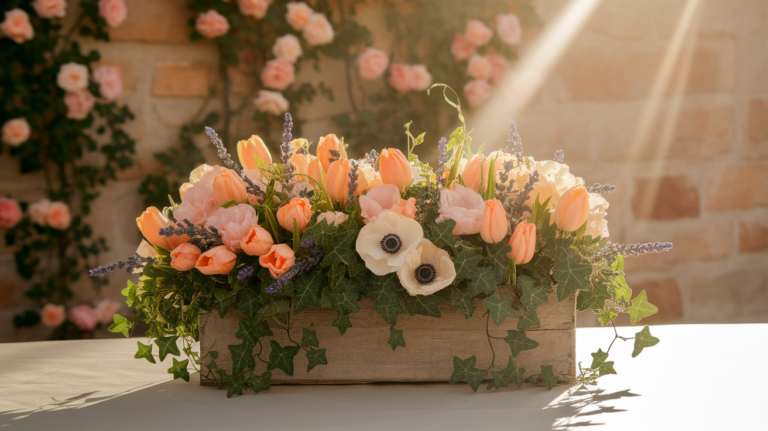
24 Church Easter Decorations Sanctuary ideas
Easter is the heartbeat of the Christian calendar — a time when hope rises, faith feels alive, and the sanctuary becomes a canvas for celebration.
Decorating your church sanctuary for Easter isn’t about being trendy — it’s about visually telling the story of resurrection, new life, and spiritual renewal.
In this guide, I’ll walk you through 24 powerful, intentional Easter decoration ideas designed for sanctuaries.
Think of this as your trusted companion: practical, insightful, and rooted in purpose.
Every idea here comes with reasons, placement tips, symbolism, and ways to involve your congregation in the process.
Let’s make your sanctuary a space that reflects the truth Easter proclaims — that light overcomes darkness and life defeats death.
1. The Easter Cross Display
The cross is the centerpiece of Easter, not just a symbol — it’s the message itself.
When people walk into your sanctuary, let the cross be their first sight.
Place a large wooden or wrought-iron cross at the front, draped with a white cloth. White represents resurrection and victory over death. You can string lights around it for soft illumination.
Tips:
- Use cloth that hangs loosely to evoke movement — like a breeze of hope.
- Place candles at the base to draw eyes upward toward the cross.
- Invite volunteers to carry the cloth from black or purple on Good Friday to white by Sunday morning — a visual transition of sorrow to joy.
2. Garden of the Resurrection
Recreate an Easter garden near the altar.
Spread moss, potted flowers, stones, and small shrubs to resemble the garden where Jesus was laid. Add an empty tomb prop or a stone that can be “rolled away” during an Easter service moment.
This is a visual metaphor for Jesus’ victory over the grave — a reminder that death could not hold Him.
Placement: Along the altar or near the entrance where people can pause and reflect.
3. Lily Pathway
Easter lilies are synonymous with the holiday — they symbolize purity, renewal, and life reborn.
Create a pathway of lilies (real or artificial) leading up to the pulpit or altar. Line the walkway so that every step toward the cross feels like a transition from ordinary into holy.
Fun memory: One year, we placed lilies so densely down the aisle that people joked we’d held an “Easter runway.” It wasn’t glamorous — it was sacred.
4. Scripture Banners
Turn scripture into art.
Hang large, fabric banners with key Easter verses such as John 11:25, 1 Corinthians 15:20, and Luke 24:6–7. Use big, clear typography and simple graphics.
Why it matters: People remember visuals more than spoken words. These verses will stay with your congregation long after the service ends.
5. Light Explosion
Light embodies resurrection — the darkness couldn’t contain Christ.
Use uplighting, spotlights, and string lights behind the altar, around arches, and across walls. The goal is to create a warm, dynamic glow that feels like an exhale of hope.
Insider tip: Use warm white or gold lights instead of cool blue or white. Gold feels like sunrise — perfect for Easter morning.
6. Floral Archway Entrance
Let the entrance be a threshold of transformation.
Build an arch of flowers and greenery at your main entrance. When your congregation enters, they pass through beauty — symbolizing moving from death to life.
If budget is tight, use greenery with a few vibrant flowers interspersed.
Ask volunteers: Local youth groups or gardening clubs often have flowers to share or plant cuttings they’re happy to donate.
7. Resurrection Garden for Kids
Children connect with hands-on visuals.
Set up a small area where kids can build a mini resurrection garden with:
- A small box or tray
- Dirt
- Stones
- A small tomb
- Plants
This becomes a conversation starter between children and parents — deepening understanding and wonder.
8. Ribbon Streamers of Joy
Suspend ribbons from the ceiling or balcony railings in Easter colors — white, gold, purple, soft pastels.
When light hits them, they catch the breeze and sway — visually echoing the movement of the Spirit.
Symbolism: The ribbons represent the threads of grace weaving through our lives.
9. Sanctuary Drapery Refresh
Replace your standard sanctuary drapery with seasonal fabric.
Use:
- Purple for Lent leading up to Easter
- Transition to white and gold for Easter Sunday
Changing the backdrop fabric shifts the focus and signals a shift in the season.
10. The Empty Tomb Scene
Instead of just telling about the empty tomb, show it.
Construct a simple tomb prop with stone or foam, and place it to the side with an opening that is clearly empty. Surround it with plants or flowers.
During the Easter service, have the stone moved or the cloth removed as part of a dramatic moment — visually affirming that Christ is risen.
11. Hanging Paper Doves
Doves symbolize the Holy Spirit and peace — both central themes of Easter.
Hang paper or wooden doves from the ceiling at varying heights.
Let them float above the congregation like a visual prayer.
12. Candlelight Reflection Wall
Place a wall or table with candles where people can light one and offer a prayer.
This can be before or after service, or during a special reflection time.
Why this works: Light a candle — it’s an ancient act of devotion. It invites silence and personal connection.
13. Color-Focused Seating Areas
Instead of uniform pews, create colorful seating clusters with cushions or fabric wraps.
Use soft pastels like:
- blush pink
- lavender
- sky blue
- pale green
These colors evoke spring — a reminder that just as nature revives in spring, our hearts revive at Easter.
14. Scripture Projection Art
Use projectors to cast dynamic visuals behind the altar or on side walls.
Project:
- sunrise scenes
- blooming flowers
- floating lights
- select scriptures
Motion gives energy to the space — and reinforces the message: resurrection is living and active.
15. Butterfly Installation
Butterflies are powerful symbols of transformation and resurrection.
Create an installation of paper or light fabric butterflies ascending upward — representing transformation from death to new life.
You can use:
- fishing line
- subtle lighting
- reflective paper
Place them near the cross or choir loft.
16. Interactive Prayer Wall
Set up a board where people can write prayer requests or thanksgiving notes.
Add decorative paper shapes (crosses, stars, petals) for people to write on.
This invites your congregation into the story of shared faith and mutual support.
17. Altar Floral Explosion
Go beyond typical arrangements.
Use large floral installations that fill the space behind or around the altar. Combine:
- lilies
- roses
- tulips
- baby’s breath
- greenery
Use asymmetry — don’t make it perfect. Easter isn’t perfect — it’s miraculous.
18. Window Silhouettes
Use silhouette decals on windows:
- crosses
- doves
- palms
- scripture phrases
Natural light shining through them creates holy shimmer that changes throughout the day.
19. Fabric Canopy Above the Altar
Span sheer fabric above the altar in soft folds.
Use white and gold fabric that catches light.
This creates a heavenly canopy effect, visually lifting eyes and hearts upwards.
20. Choir Robe Accents
Have the choir robes accented with seasonal stoles or ribbons.
This ties the singers into the visual story of the space.
Color ideas:
- white and gold for Easter
- soft pastel accents
Music and visual unity amplify emotional impact.
21. Communion Table Arrangement
Arranging the communion table with intentional design emphasizes sacredness.
Place simple:
- white linens
- a small arrangement of lilies
- a scripture card
This sets the tone for reverence without distraction.
Remember: simplicity often speaks louder than complexity.
22. Flower Petal Aisle Design
If your tradition allows, scatter flower petals in patterns down the aisle.
Not random — intentional patterns (like a path of light).
This transforms the act of walking down the aisle into a journey of celebration.
23. Scripture Cards in the Pews
Place beautifully designed scripture cards in pews for people to read before the service starts.
Verses that work well:
- Matthew 28:5–6
- 1 Peter 1:3
- Romans 6:9
These prepare hearts and minds before worship begins.
24. Post-Service Garden Tea Table
After the service, people gather — make the space inviting.
Set up a small table with:
- flowers
- tea or coffee (if your church tradition allows it)
- scripture cards or reflection booklets
This isn’t just hospitality — it extends the Easter experience into community.
Why Each Decoration Matters
These ideas aren’t random. Each one is rooted in biblical symbolism and community engagement strategy.
Visual Theology
People learn visually. In a study on visual learning, researchers found that 90% of the information transmitted to the brain is visual.
Visuals increase understanding, memory retention, and emotional engagement — all crucial in worship environments.
Your decor isn’t just decoration — it’s visual scripture.
Emotional Engagement
Easter is emotional — joy, sorrow, awe, gratitude.
Decorations can help frame those emotions:
- Light increases joy
- Flowers symbolize new life
- Scripture visuals anchor truth
Participation and Ownership
Involving volunteers in decorating:
- strengthens community
- deepens personal connection to worship
- creates stories that people retell
One pastor told me: “The decorations became part of our testimony — people came back the next week still talking about the garden we built.”
Economy of Resources
Not every church has a large budget. Creativity trumps cost:
- Use volunteers
- Repurpose materials from year to year
- Encourage congregants to donate flowers
One small church in rural Georgia had no budget for flowers — so congregation members brought plants from home. The result was a sanctuary that felt like spring itself, full of personal investment and life.
Practical Tips for Implementation
Start Early
Planning should begin weeks before Palm Sunday. Here’s a simple timeline:
- 4–6 weeks prior: Plan ideas and assign teams.
- 3 weeks prior: Order or gather materials.
- 2 weeks prior: Build large items (tomb, arch, installations).
- 1 week prior: Dress the sanctuary.
Involve Teams
Assign small teams:
- Lighting
- Flowers and plants
- Scripture displays
- Props and installations
Each group should have a leader and clear tasks.
Safety First
Ensure all installations:
- are secure
- have no loose wires
- don’t block exits
Candles should be real only if supervised. Battery-operated candles are safer.
Budgeting
Costs vary widely — but here’s a rough estimate breakdown:
| Category | Estimated Cost |
|---|---|
| Flowers & Plants | $150 – $800 |
| Fabric & Drapery | $100 – $500 |
| Lighting | $200 – $1000 |
| Props (Tomb, Cross) | $50 – $600 |
| Banners & Signage | $50 – $300 |
Many churches spend under $500 by leveraging volunteers and donated materials.
Deepening the Message
Decoration isn’t surface-level — it’s message-deep.
Symbolism You’re Communicating
| Decor Element | Meaning |
|---|---|
| Cross with white cloth | Death conquered, life restored |
| Empty tomb | Christ has risen |
| Light displays | Christ is light of the world |
| Flowers | New life and beauty from sorrow |
| Doves | Holy Spirit and peace |
Understanding these meanings helps volunteers decorate with intention — not just aesthetics.
Conclusion
Easter sanctuary décor isn’t about impressing people — it’s about inviting them into the story of resurrection. When your sanctuary visually breathes the message of Easter, your people will feel the truth, not just hear it.
Every idea in this guide is rooted in:
- Scripture
- theological symbolism
- practical execution
Church decorators, you hold a sacred task: to make beauty that speaks, visuals that teach, and spaces that invite transformation.