
19 Cozy Garden Borders Ideas That Instantly Transform Your Outdoor Space
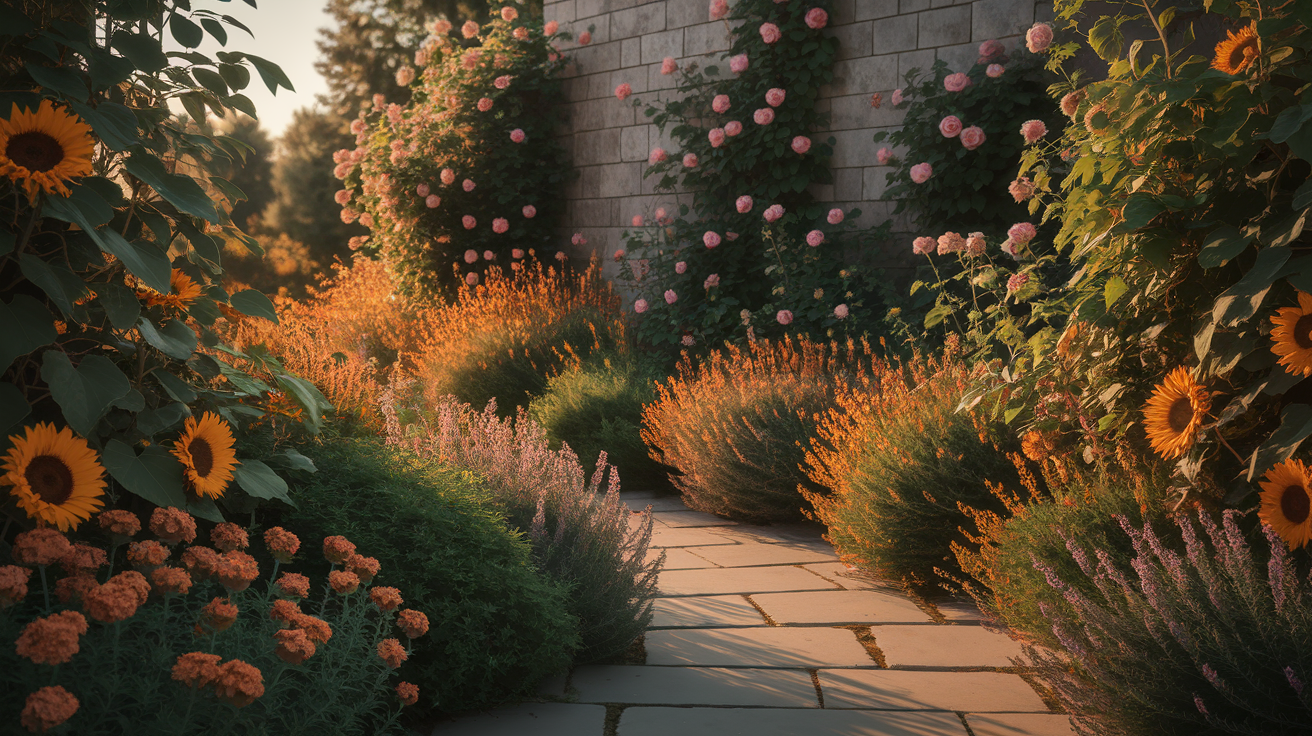
A garden without borders feels like a story without punctuation. You might have beautiful plants, vibrant flowers, and lush greenery—but without structure, it all blends together.
I’ve learned this the hard way after planting what I thought was a “perfect” garden, only to realize it looked like a wild jungle instead of a curated retreat.
The truth is, garden borders are the quiet heroes of outdoor design. They define spaces, guide the eye, and add personality.
Let me walk you through 19 garden border ideas that are not just pretty but practical, creative, and surprisingly doable.
1. Natural Stone Borders for Timeless Elegance
If you want something that never goes out of style, natural stone borders are your best friend.
Think of them as the classic white shirt of garden design—effortlessly elegant and always appropriate.
I once used leftover stones from a renovation to edge my flower beds, and it instantly elevated the entire space. The uneven shapes create a rustic charm that feels organic, not forced.
Why it works:
- Durable and weather-resistant
- Blends beautifully with greenery
- Adds a high-end look without being flashy
Pro tip: Mix stone sizes for a more natural, layered appearance rather than lining them up too perfectly.
2. Brick Edging for a Structured Look
There’s something deeply satisfying about brick borders. Maybe it’s the symmetry or the clean lines, but they bring a sense of order that many gardens need.
If your garden feels chaotic, bricks can ground it—literally and visually.
Benefits:
- Long-lasting and sturdy
- Easy to install in straight or curved patterns
- Works well with both modern and traditional homes
You can lay them flat for a subtle edge or stack them slightly for added height and dimension.
3. Wooden Log Borders for a Rustic Feel
Imagine your garden wearing a cozy sweater—that’s what wooden log borders feel like.
These are perfect if you’re going for a cottage or countryside vibe. I tried this once using cut logs from a trimmed tree, and it made my garden feel like a woodland escape.
Things to keep in mind:
- Use treated wood to prevent rot
- Vary the height for visual interest
- Pair with wildflowers for a natural look
4. Metal Edging for a Sleek Modern Touch
If your style leans toward minimalism, metal garden borders are incredibly effective. They’re like the clean lines in modern architecture—sharp, precise, and intentional.
Why people love them:
- Thin and almost invisible from a distance
- Keeps grass from invading flower beds
- Extremely durable
Steel or aluminum edging works especially well in contemporary landscapes.
5. Flower Borders for a Soft, Living Edge
Instead of hard materials, why not let plants do the job?
Flower borders create a soft, colorful transition between spaces. I love using low-growing blooms like marigolds or petunias—they act like a living frame for your garden.
Advantages:
- Adds color and fragrance
- Attracts pollinators
- Changes with the seasons
According to gardening studies, pollinator-friendly borders can increase garden biodiversity by up to 30%, which is a win for both beauty and ecology.
6. Gravel Borders for Low Maintenance
If you’re tired of constant upkeep, gravel borders might be your solution. They’re simple, clean, and surprisingly stylish.
I added a gravel edge along my pathway, and not only did it reduce weeds, but it also improved drainage.
Why it’s practical:
- Prevents weed growth
- Improves water drainage
- Easy to install and maintain
Choose contrasting colors to make the border stand out.
7. Recycled Materials for Eco-Friendly Charm
This is where creativity really shines. Old bottles, broken tiles, or even repurposed metal can become stunning garden borders.
I once used old ceramic plates (yes, plates!) to edge a herb garden, and it became a conversation starter every time someone visited.
Benefits:
- Budget-friendly
- Environmentally conscious
- Completely unique
8. Hedge Borders for a Classic Garden Look
If you want something lush and traditional, hedge borders are the way to go. They’re like nature’s version of a fence—but much prettier.
Popular choices:
- Boxwood
- Lavender
- Privet
Why they work:
- Provide privacy
- Add structure and greenery
- Can be shaped into neat lines or curves
9. Concrete Edging for Durability
Let’s talk about something practical. Concrete borders may not sound exciting, but they’re incredibly reliable.
Think of them as the foundation of your garden’s design—strong, dependable, and long-lasting.
Key benefits:
- Weather-resistant
- Customizable shapes
- Low maintenance
You can even stamp or texture concrete to make it more visually appealing.
10. Bamboo Borders for a Zen Aesthetic
If you love calm, serene spaces, bamboo borders bring a peaceful, almost meditative vibe.
I tried this around a small corner garden, and it instantly felt like a mini retreat.
Why choose bamboo:
- Lightweight and eco-friendly
- Adds vertical interest
- Perfect for Asian-inspired gardens
11. Raised Bed Borders for Functionality
Raised beds aren’t just practical—they’re stylish too. They act as both planting space and garden border.
Advantages:
- Better soil control
- Easier maintenance
- Ideal for vegetables and herbs
Studies show that raised beds can improve plant yield by up to 20%, especially in poor soil conditions.
12. Shell Borders for Coastal Vibes
If you want your garden to feel like a beach getaway, shell borders are a fun option.
They reflect light beautifully and add texture that’s hard to replicate.
Best for:
- Coastal-themed gardens
- Small decorative areas
- Accent borders
13. Plastic Edging for Budget-Friendly Solutions
Not glamorous, but very practical. Plastic edging is affordable and easy to install.
Why consider it:
- Flexible for curves
- Lightweight
- Cost-effective
Perfect if you’re just starting out and experimenting with layout.
14. Tile Borders for Artistic Flair
Broken tiles or mosaics can turn your garden into a piece of art. I’ve seen borders that look like they belong in a gallery.
Why it stands out:
- Adds color and personality
- Great for DIY projects
- Completely customizable
15. Rope Borders for a Nautical Touch
This one surprised me. Rope borders can actually look fantastic in the right setting.
Best used for:
- Beach-themed gardens
- Temporary setups
- Decorative edging
16. Living Grass Borders for Seamless Design
Sometimes the best border is the one you barely notice. Grass borders create a seamless transition.
Benefits:
- Natural appearance
- No additional materials needed
- Blends perfectly with the landscape
17. Corten Steel Borders for Industrial Style
If you want something bold, corten steel develops a beautiful rust-like finish over time.
Why it’s trendy:
- Unique color and texture
- Extremely durable
- Adds a modern edge
18. Vertical Garden Borders for Small Spaces
Short on space? Think vertically.
Vertical borders use walls, trellises, or stacked planters to define areas.
Why it’s smart:
- Maximizes space
- Adds greenery without crowding
- Perfect for urban gardens
19. Mixed Material Borders for a Unique Look
Why choose one when you can combine several?
I once mixed stone with plants and a bit of wood, and the result was layered, dynamic, and full of character.
Why it works:
- Adds depth and texture
- Completely customizable
- Reflects your personal style
Final Thoughts
If there’s one thing I’ve learned, it’s this: garden borders are not just edges—they’re storytellers. They guide how your garden feels, how it flows, and how people experience it.
Start small. Try one idea. See how it changes your space. Then build from there.
Because once you get the borders right, everything else in your garden suddenly makes sense—like pieces of a puzzle finally clicking into place.
FAQs
What is the best material for garden borders?
It depends on your needs. Stone and concrete are great for durability, while wood and plants offer a more natural look.
How do I choose the right border style?
Think about your garden’s theme, maintenance level, and budget. A modern garden pairs well with metal, while a cottage garden suits wood or flowers.
Are garden borders necessary?
Not strictly, but they make a huge difference in organization, aesthetics, and even plant health.
How deep should a garden border be?
Typically, 4–6 inches is enough to prevent grass from spreading into beds.